Clinic technique

Cupping methods a TCM practitioner uses

Method is chosen for the pattern: warming the channels, releasing the exterior, moving stasis, or draining heat—each with a different cupping style.

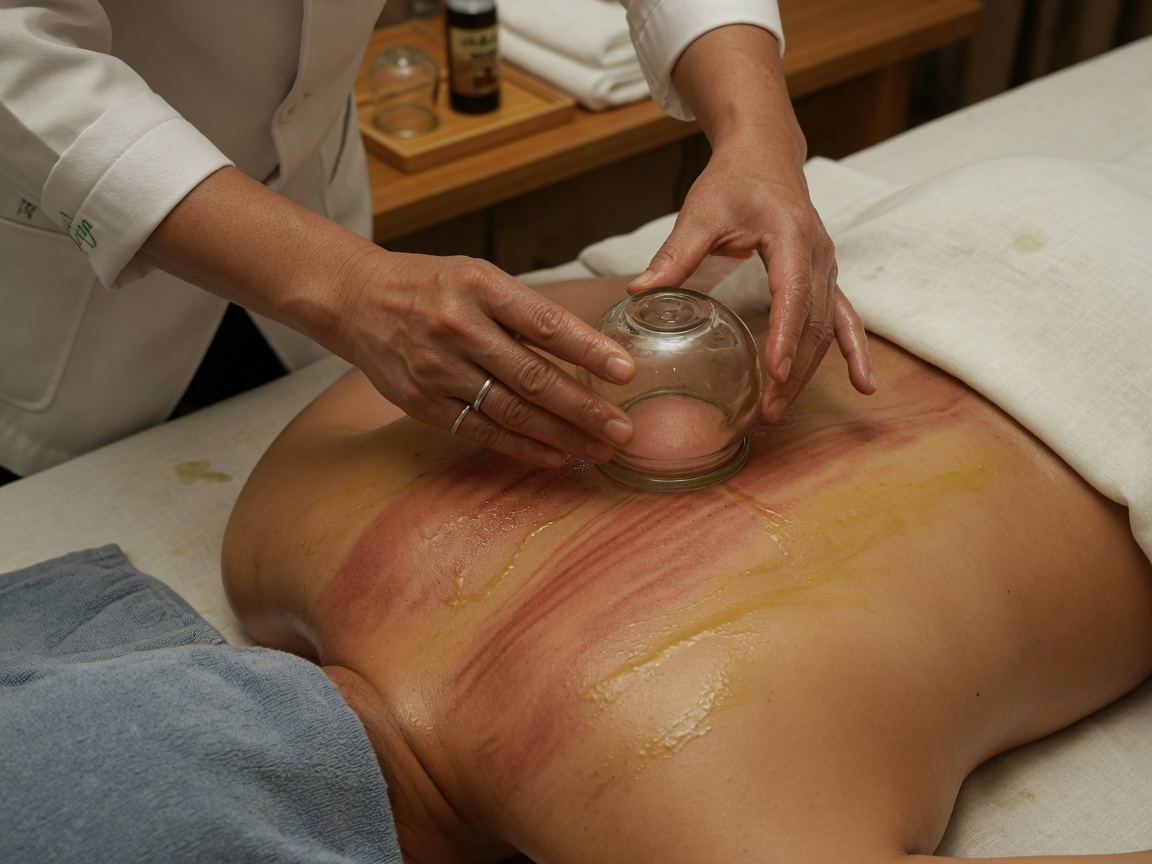
TCM practitioner performing moving cupping on the back

How method follows pattern

A skilled practitioner matches technique to the presentation. Exterior wind-cold with tight upper back may call for flash cupping or brief retained cups. Chronic fixed pain with dark purple potential may call for stronger retained or wet cupping. Deficiency with cold may favor milder suction and shorter time—or moxa instead of aggressive cups.

Below are the main ba guan methods taught in Chinese medicine training.

Huo guan · Fire cupping

Fire cupping with glass

A brief flame (alcohol swab or lamp) is introduced into the cup and withdrawn; the cup is placed on the skin. Oxygen is consumed, creating suction. The flame is a tool for vacuum—not left burning on the body.

  • Classic TCM clinic technique
  • Requires training and fire safety
  • Often used for retained cupping on the back

Liu guan · Retained cupping

Stationary (retained) cups

Cups stay in place typically 5–15 minutes depending on constitution, area, and intent. This is the method most associated with circular sha marks.

  • Moves qi and blood in local collaterals
  • Common for bi syndrome and stasis pain
  • Strength adjusted by vacuum and time

Xing guan · Moving cupping

Sliding / moving cupping

Oil or medium is applied; cups glide along channel pathways or muscle regions. Feels more dynamic—like a deep channel massage with suction.

  • Useful for broad channel stagnation
  • Often along Bladder channel of the back
  • Marks may appear as streaks or bands

Shan guan · Flash cupping

Flash cupping

Cups are applied and removed repeatedly in quick succession. Strong stimulation with less prolonged suction—often chosen to release the exterior or invigorate without heavy stasis marks.

  • Common for exterior patterns
  • Lighter marking for many patients
  • Can warm and raise yang qi locally

Ci luo ba guan · Wet cupping

Wet cupping (blood cupping)

After dry suction or alone, the skin is pricked with a sterile lancet and the cup reapplied so a small amount of blood is expressed. Used selectively for blood stasis or heat patterns.

  • Only by trained practitioners with sterile technique
  • Not a DIY or casual spa method
  • Contraindications include bleeding risk

Modern adjuncts

Pump & silicone cups

Some TCM clinics use mechanical pumps or silicone for control and convenience. When the practitioner still diagnoses in TCM terms, the therapy remains Chinese medicine—materials alone do not define the system.

  • Adjustable suction
  • Useful when fire is impractical
  • Intent and placement still matter most

Typical clinical sequence

  1. Pattern diagnosis

    Four examinations; decide if cupping is indicated and which style.

  2. Position & skin prep

    Comfortable prone or seated position; clean dry skin; oil if moving cups.

  3. Apply cups

    Fire or pump; check comfort; adjust vacuum.

  4. Retain, move, or flash

    Time and motion match the treatment principle.

  5. Remove & observe sha

    Release seal carefully; note color and quality of marks; optional follow-up needles or herbs.

  6. Aftercare advice

    Keep warm, avoid wind exposure on open pores—classical counsel after exterior-releasing work.

Educational only · Not medical advice